

Passive Income & Real Estate
Real Estate Investing for Beginners (REITs Included)
A typical starter rental property runs about $200,000 in many mid-size US markets, yet you can own a tiny slice of a shopping center or apartment...
A five-year certificate recently paid roughly 4.25 percent while a top savings account sat near 4.5 percent, a gap so thin that the lockup period becomes the real decision rather than the yield. Yet many savers park a house down payment in a savings account earning 0.4 percent simply because they never compared the two. The difference on $20,000 can be about $800 a year, money that asks nothing but a small amount of attention.
This article weighs certificates of deposit against high-yield savings, shows when each wins, and flags the penalties that turn a safe choice into a costly one. The right answer depends almost entirely on your timeline.
A certificate locks your cash for a set term, often from six months to five years, in exchange for a rate that usually will not move during that window. That certainty helps if you fear rates falling, because your payout is frozen at the higher level. The cost is access: pulling out early typically triggers a penalty of several months of interest.
For money with a known future date, like a tax bill or a planned purchase, the lock can be a feature rather than a flaw. You remove the temptation to spend and the risk of a rate drop at the worst time.
A high-yield savings account lets you withdraw anytime, which suits an emergency fund or any goal with a fuzzy date. The price is variability: the rate can fall within weeks if the broader economy shifts. You trade a guaranteed number for the freedom to leave.
For most households the savings account is the better home for the rainy-day buffer, because a penalty on a certificate during a job loss would sting exactly when cash is scarce.
A certificate is like leasing a parking space for a year at a fixed rate: you know the cost, you are committed, and leaving early costs you. A savings account is like street parking you can vacate anytime: flexible and free to exit, but the meter rate changes with the city's mood. The certificate usually pays a touch more for the same institution, yet the savings option wins for anyone whose plans might change. Picking based on yield alone ignores the far bigger risk of needing the money while it is frozen.
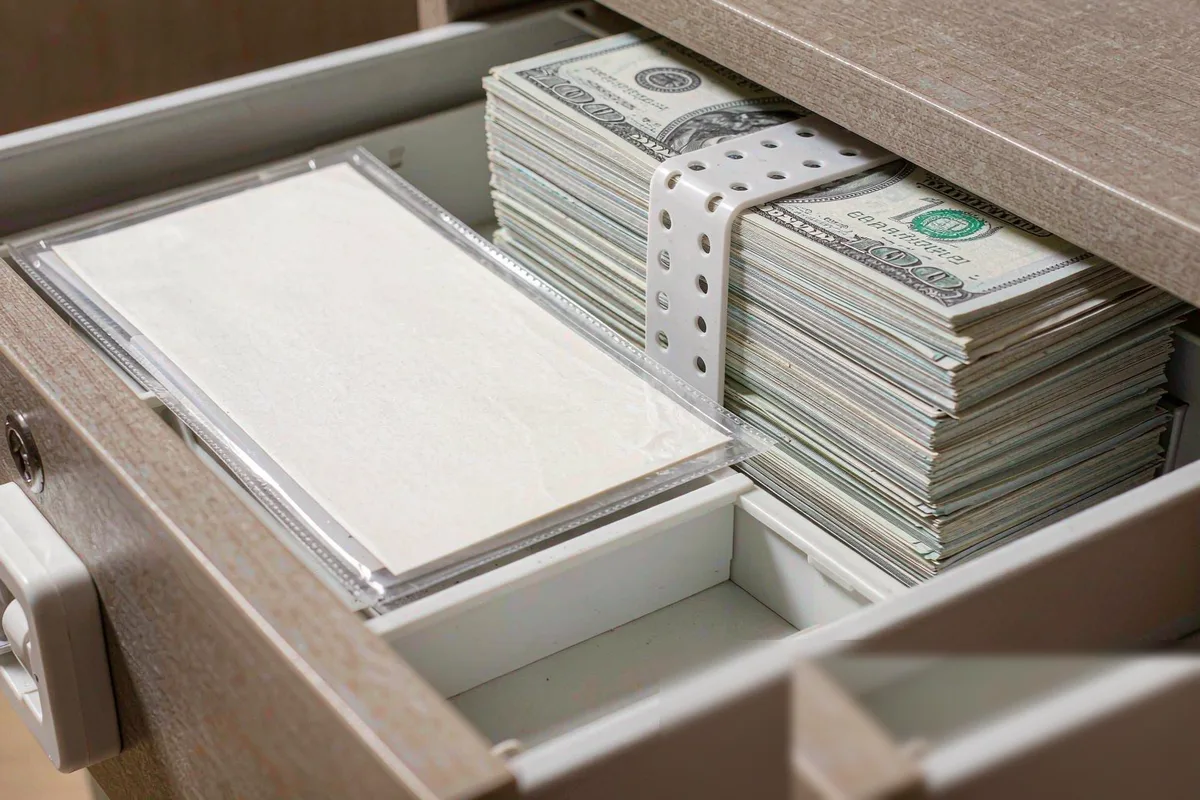
The catch is the penalty structure, which varies more than the headline rate suggests. Some institutions take six months of interest for leaving early, which on a short certificate can wipe out nearly all your gain. Others reduce the principal itself if you withdraw before any interest has accrued. A certificate that looked safe can become a loss the moment life forces an early exit. Match the term to a date you are genuinely confident about, and never lock money you might need for a surprise.
The honest rule is boring: money with a fixed future date can often earn more in a certificate, and money without one belongs in savings. Chasing a fraction of a percent by locking cash you later need is a classic error that costs more than the yield ever gave. Review the split every six months as your goals shift, and move only when the reason is a date, not a fear of missing a rate.
If you are choosing between the two today, ask one question first: when will I absolutely need this cash? The answer points to the account, and the yield is merely the tiebreaker.
A typical starter rental property runs about $200,000 in many mid-size US markets, yet you can own a tiny slice of a shopping center or apartment...

The average standard savings account paid roughly 0.4 percent last year, while the better online options sat near 4.5 percent. On a $10,000 balance...
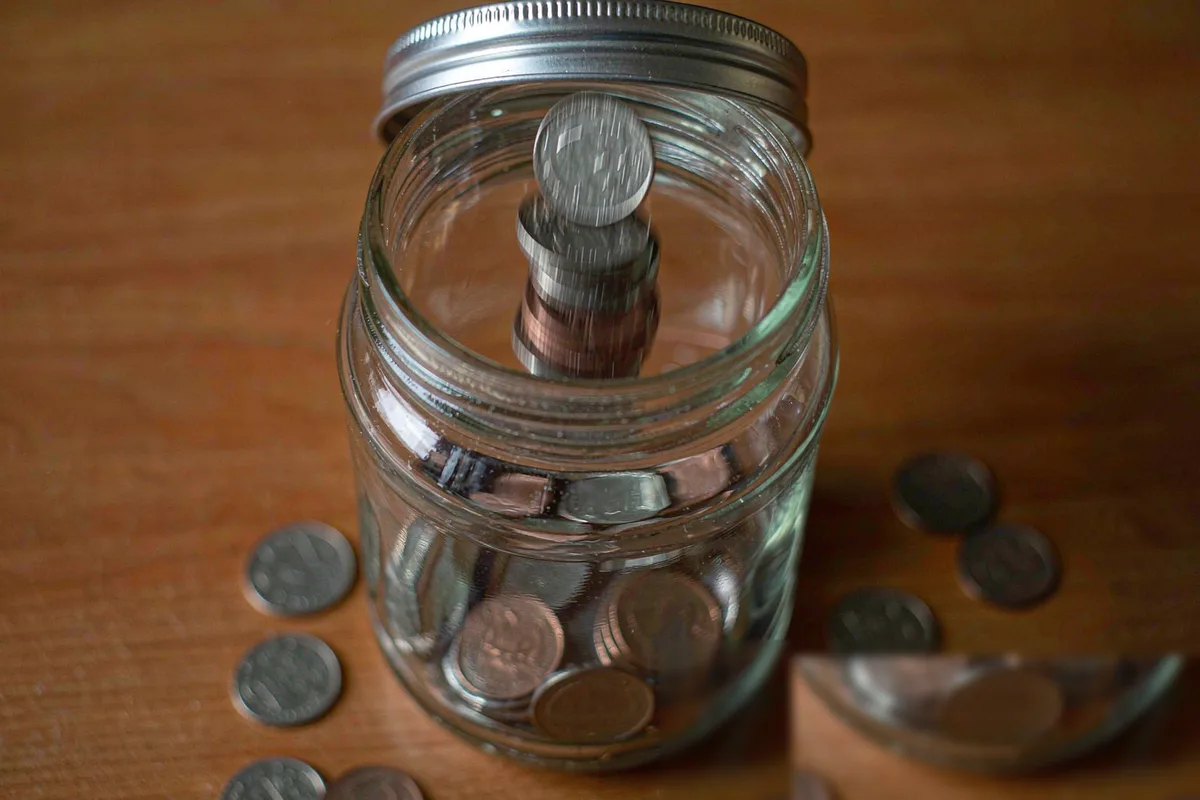
A stock paying a 3 percent dividend and reinvesting it rather than cashing the checks can turn a $5,000 stake into roughly $9,000 over twenty-five...

A saver with just $50 a month can build a stream that pays roughly $200 a year in dividends within about a decade, assuming typical broad-market...