

Passive Income & Real Estate
Real Estate Investing for Beginners (REITs Included)
A typical starter rental property runs about $200,000 in many mid-size US markets, yet you can own a tiny slice of a shopping center or apartment...
A stock paying a 3 percent dividend and reinvesting it rather than cashing the checks can turn a $5,000 stake into roughly $9,000 over twenty-five years purely from compounding, assuming the share price barely moves. Most investors underestimate that number because they picture the dividend as pocket change, not as a silent second saver working nights. The mechanism that makes this happen is called a dividend reinvestment plan, or DRIP.
This article explains how reinvestment actually functions, where it shines, and where it quietly backfires. The concept is simple, but the tax and behavior details are where people trip.
Instead of sending you a cash payment, the plan uses the dividend to buy more shares, often fractional ones, so no money sits idle. Over years those tiny purchases accumulate into a meaningful position without a single extra deposit from you. The power is not the yield alone but the yield-on-yield, as your growing share count earns its own future dividends.
Many plans let you buy directly from the company with no broker commission, which lowers the friction on small balances. That removal of a fee is often the difference between a plan that compounds and one that leaks.
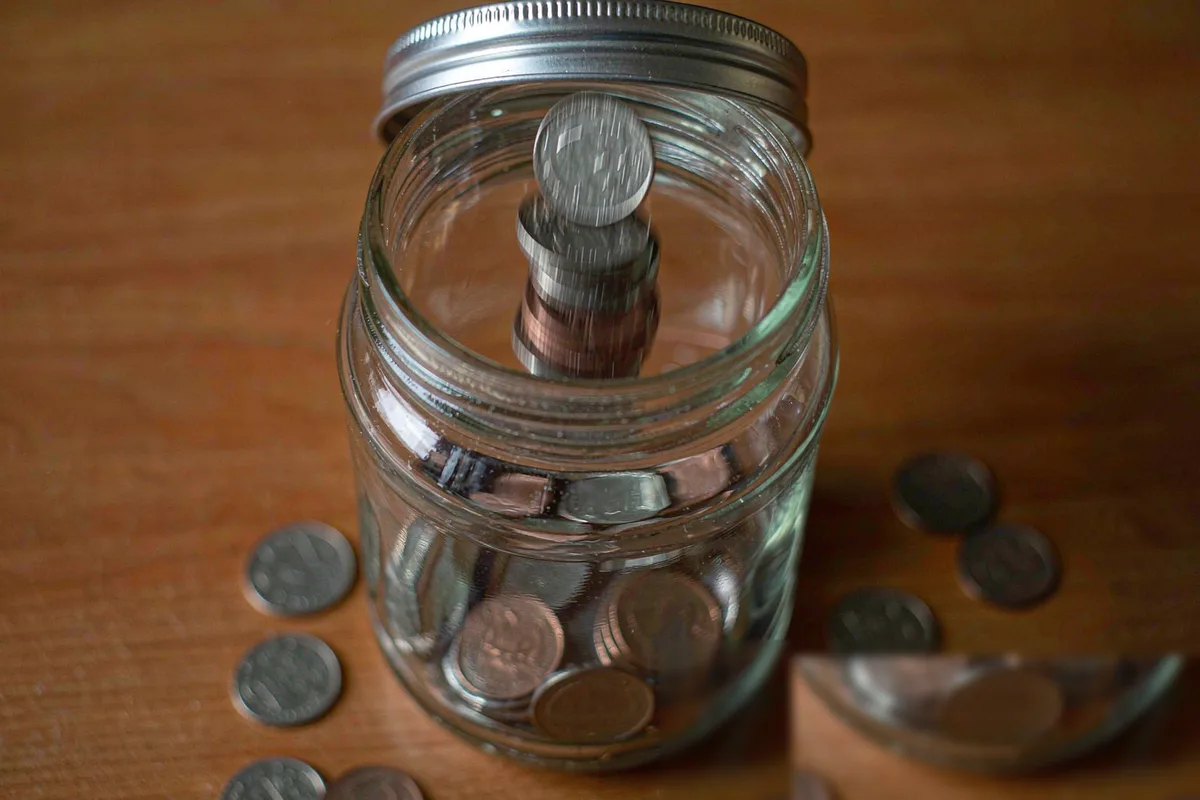
Taking the dividend as cash is like clipping coupons and stuffing them in a jar: visible, spendable, and easy to redirect toward bills or a vacation. Reinvesting is like feeding those coupons back into the field that grew them: invisible, relentless, and far better for wealth but useless if you needed the money for rent this month. A retiree living on income usually prefers the check; a thirty-year-old building a nest egg almost always benefits more from the automatic buy. The right choice depends entirely on whether you need the cash flow now or the growth later.
A reinvested dividend is still taxable income in the year it is paid, even though no cash hits your hand. Holders are sometimes surprised by a tax bill on gains they never touched. In a standard taxable account this creates a drag that a cash-taking investor at least sees clearly.
The offset is that reinvested shares build a higher cost basis, which can lower capital gains later. The timing of the benefit and the cost, however, rarely line up neatly.
The catch is overbuilding one name. Automatic reinvestment quietly raises your stake in a single company every quarter, so a plan meant to grow wealth can also deepen a risk you meant to trim. An investor who reinvests in a former favorite can wake up owning a lopsided slice of their portfolio with no deliberate choice. Review the weights annually and shut off reinvestment in anything that has grown past your comfort zone. Diversification, not autopilot, is what protects the compounding.
Reinvestment is boring on purpose. The account looks almost unchanged month to month, then surprisingly larger after a decade. Resist the urge to toggle the setting during market dips, since those are precisely when reinvested dividends buy the most shares. The investors who stick with the plan through one bad year tend to outpace the ones who switch to cash out of nervousness and never switch back.
If you are just starting with less than a few hundred dollars, reinvestment is one of the few free advantages available to small balances, because fractional shares mean no dollar is wasted. Turn it on early and let the math run longer than your patience expects.
A typical starter rental property runs about $200,000 in many mid-size US markets, yet you can own a tiny slice of a shopping center or apartment...
The average standard savings account paid roughly 0.4 percent last year, while the better online options sat near 4.5 percent. On a $10,000 balance...

A saver with just $50 a month can build a stream that pays roughly $200 a year in dividends within about a decade, assuming typical broad-market...
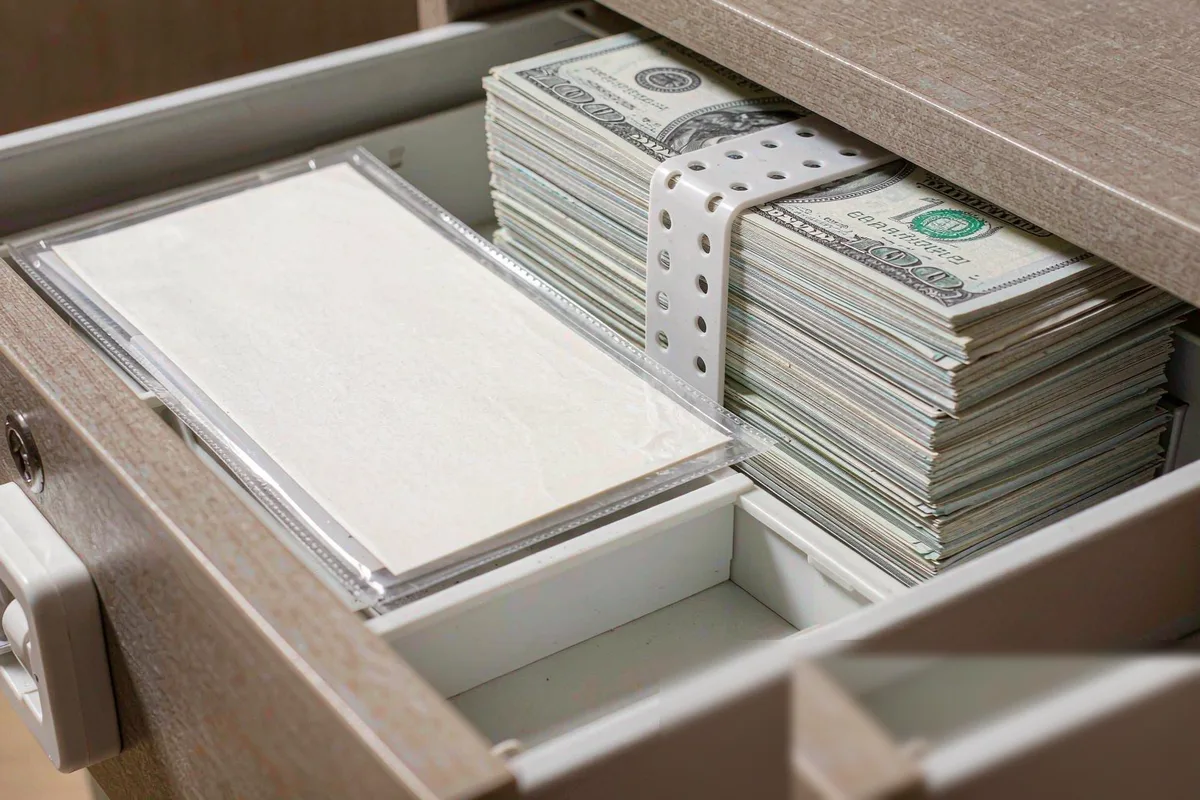
A five-year certificate recently paid roughly 4.25 percent while a top savings account sat near 4.5 percent, a gap so thin that the lockup period...