

Beginner Investing
How to Start Investing with $100 (2026 Guide)
In 2026 a new investor can open a broad index fund with as little as $100, and many brokerages now let you buy fractional shares down to $1. That...
In 2026 a new investor can open a broad index fund with as little as $100, and many brokerages now let you buy fractional shares down to $1. That...

A typical broad index fund might charge an expense ratio of about 0.03% to 0.20%, while an actively managed mutual fund often runs from roughly 0.50%...

Many brokerage apps now let you open an account in about ten minutes with no minimum balance, and several let you start buying with less than $50....
Someone in a roughly 22% federal bracket who puts about $6,000 into a traditional account often defers a meaningful tax bill now, while the same...

An investor who puts $200 into the market on the first of every month buys roughly 8 shares when prices dip and closer to 6 when they rise, ending up...

Most account applications take about fifteen minutes. The decisions you make before clicking submit matter a lot longer than the form does.

By age 30, a common rule of thumb suggests you should have roughly one year of your salary tucked away for retirement. By 40, that target often...

Roughly half of private-sector workers in the United States have access to a workplace retirement plan that includes some form of employer match, yet...

A Roth IRA lets you invest up to roughly $7,000 a year in 2026 if you are under 50, with a slightly higher cap for older savers, and the appeal is...

Once you reach about age 73, the government generally expects you to start pulling a certain amount of money out of most retirement accounts each...

A married couple filing jointly with a household income around $240,000 typically finds the normal Roth IRA contribution door closed, because the...

Two separate rules decide whether you can put money into a Roth: how much you earned and how much you made. Confusing them causes most of the paperwork.

A job change leaves an old workplace plan sitting untouched. Four options exist, and the right one depends less on returns than on fees and attention.

The account is a wrapper, not an investment. Once the contribution lands, you still have to decide what it buys, and that decision is simpler than it looks.

A basket of 10 to 15 dividend-paying stocks throwing off roughly $2,000 a year can quietly cover a household's streaming bills and a couple of...

Three of the largest S&P 500 index funds each hold roughly 500 stocks and charge about 0.03 percent a year, so a $20,000 position costs near $6...
A three-fund portfolio built from around $10,000 can span the entire US stock market, international stocks, and US bonds using just three low-cost...

Across the last two decades, growth stocks outpaced value names in roughly 13 of those calendar years, yet value still won during the early 2000s...

A stock trading at $50 with earnings of $2 a share carries a price-to-earnings ratio near 25, meaning buyers pay about 25 years of current profit for...

An ETF has a market price and an underlying value. The gap between them is small most days and the reason your order costs more than you expected.

A broad fund owns the whole field. A sector fund owns one corner of it. The choice changes both your risk and the number of decisions you have to keep making.

A typical starter rental property runs about $200,000 in many mid-size US markets, yet you can own a tiny slice of a shopping center or apartment...

The average standard savings account paid roughly 0.4 percent last year, while the better online options sat near 4.5 percent. On a $10,000 balance...
A stock paying a 3 percent dividend and reinvesting it rather than cashing the checks can turn a $5,000 stake into roughly $9,000 over twenty-five...

A saver with just $50 a month can build a stream that pays roughly $200 a year in dividends within about a decade, assuming typical broad-market...

A five-year certificate recently paid roughly 4.25 percent while a top savings account sat near 4.5 percent, a gap so thin that the lockup period...
Rent minus the mortgage is not cash flow. A one-page worksheet with six lines will tell you whether a property actually pays you or just looks busy.

The yield looks generous until you open the tax form. Most REIT payouts are ordinary income, and the location of the account changes what you keep.
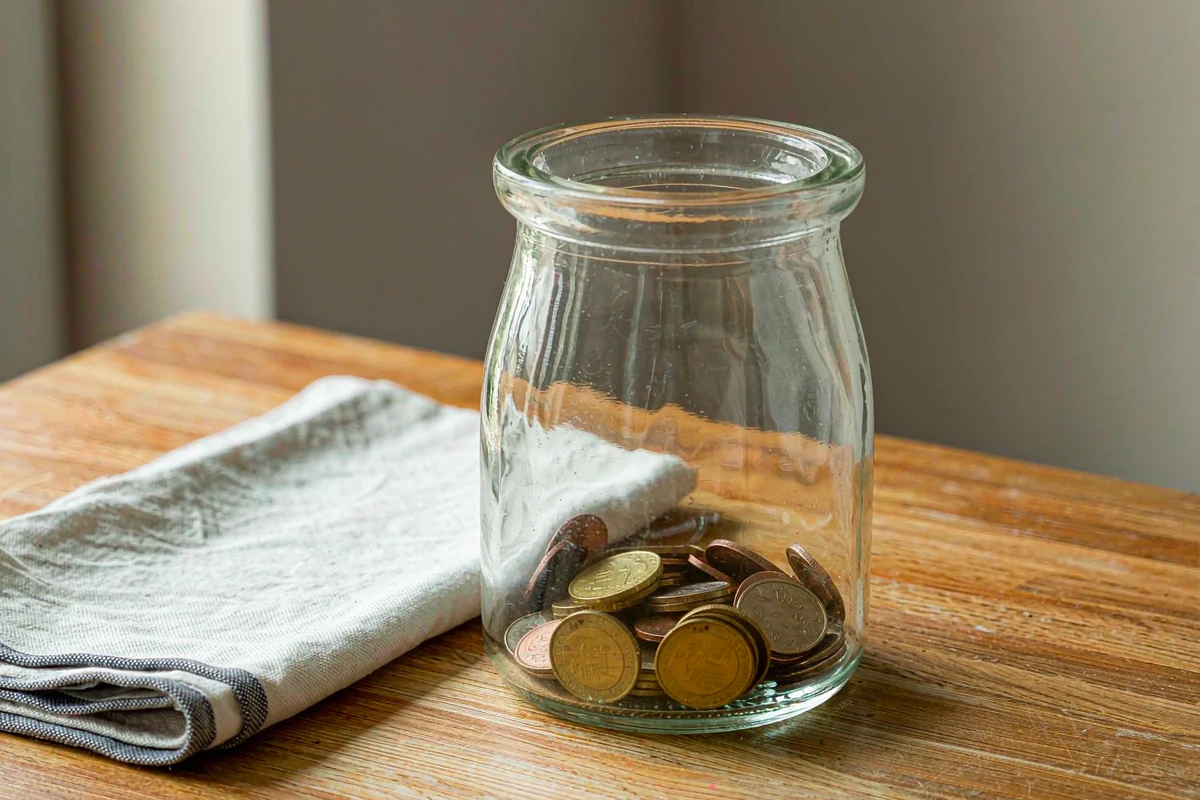
An income strategy that forces you to sell during a broken-boiler month is not income. Cash sitting still is what lets the rest of the plan keep working.

A portfolio built five years ago with a 60% stock and 40% bond split can drift to roughly 72% stock after a strong run in equities. That quiet shift...
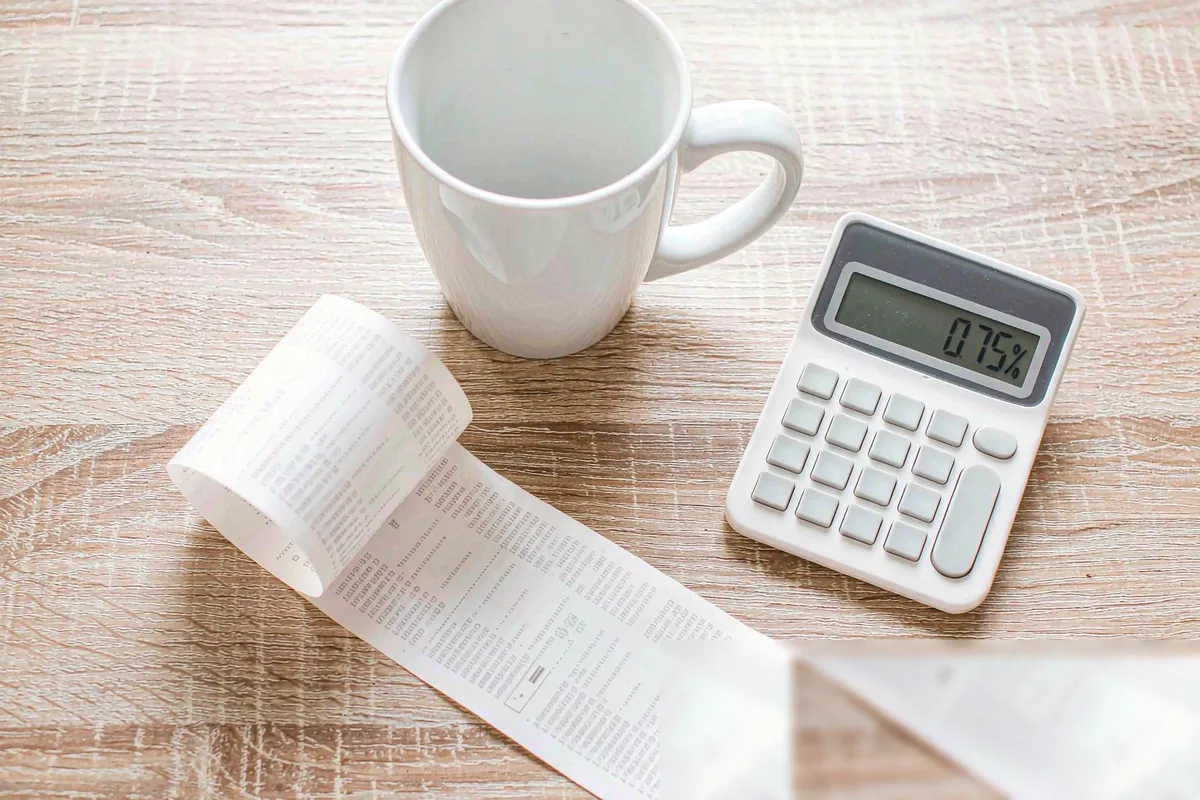
A fund charging 1% per year does not sound expensive until you run the math. On a $50,000 balance, that is roughly $500 taken out of your account...

The S&P 500 has fallen roughly 10% from its recent high, and your portfolio value dropped about $8,000 in a single month. Your instinct is to...

You bought a broad stock fund at $40 a share, and it now sits near $31. Your balance shows a paper loss of roughly $900 on that holding. Rather than...

The average person approaching retirement has about $400,000 saved and no clear plan for turning that into monthly income. Hiring help sounds smart,...

A single page written on a calm day beats a hundred decisions made on exciting ones. Six sentences are enough to define the whole plan.

Two nearly identical funds will behave almost identically. The split between growth assets and stabilisers is what actually shapes the ride.

Most portfolios are not ruined by one catastrophic trade. They are worn down by a handful of ordinary habits that are surprisingly easy to reverse.