
Passive Income & Real Estate
Real Estate Investing for Beginners (REITs Included)
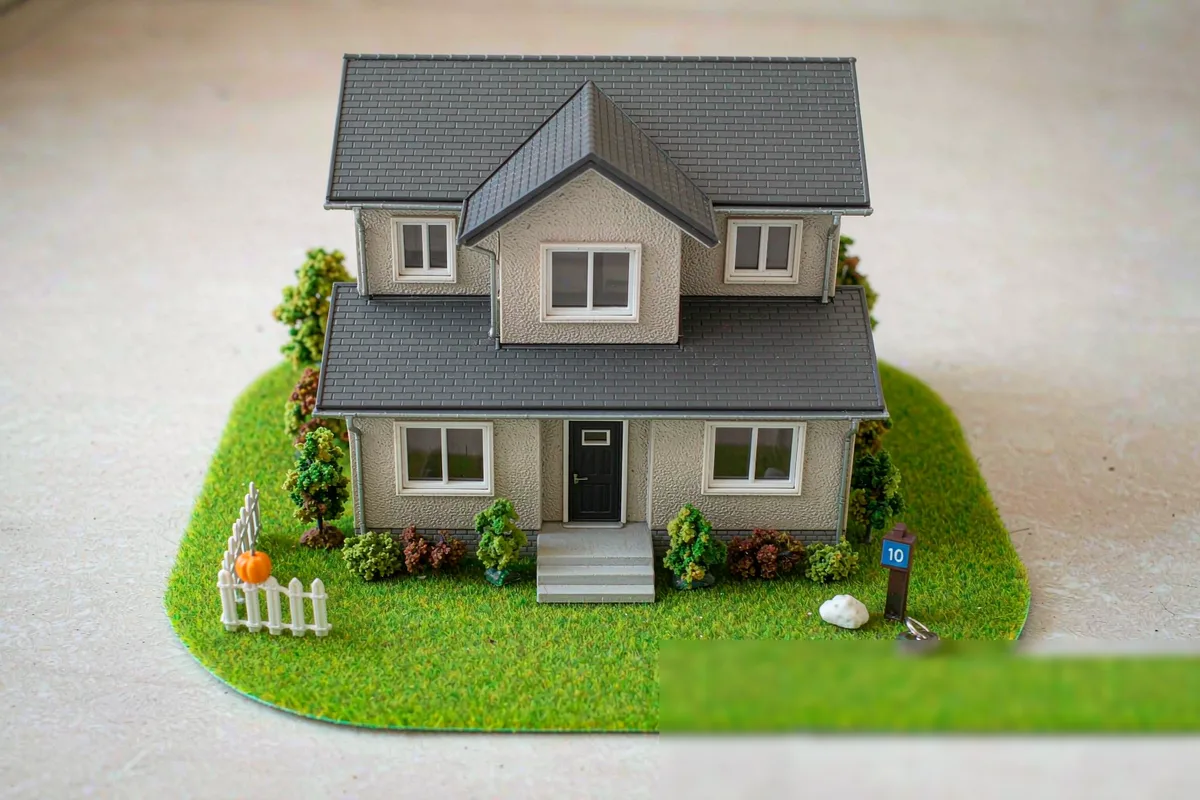
A typical starter rental property runs about $200,000 in many mid-size US markets, yet you can own a tiny slice of a shopping center or apartment...
A saver with just $50 a month can build a stream that pays roughly $200 a year in dividends within about a decade, assuming typical broad-market yields and reinvestment. The number sounds small until you multiply it across forty working years, when the same habit can produce thousands annually without another dollar of effort. The myth that passive income requires thousands upfront keeps a lot of people from ever starting.
This article maps realistic routes for thin budgets, ranks them by effort, and warns where small accounts quietly lose money to fees. You do not need a windfall to begin, but you do need a plan that survives a low balance.
Many brokerages now let you buy a slice of a share for as little as a dollar, so a high-priced stock is no longer off limits to a modest budget. This change matters because it lets a $20 transfer own a piece of a company that costs hundreds per full share. The habit of buying regularly, even in tiny amounts, beats waiting to save a lump sum that never arrives.
The trick is automation. A standing weekly transfer removes the decision and the guilt, and over years the small buys smooth out price swings better than one annual guess.
Before any investing, a savings account paying around 4 percent turns idle cash into a slow drip of interest. On a $500 balance that is roughly $20 a year for zero work, and the balance grows as you add to it. This is the lowest-risk passive income there is, even if the ceiling is modest.
Use it as the foundation, then layer riskier ideas on top once the cushion exists. Skipping the cushion to chase yield usually ends in a forced sale at the wrong moment.
Parking cash in a savings account is like renting out a parking spot you own: steady, dull, and almost certain to pay a little. Buying fractional shares is like buying a brick in a skyscraper: no guaranteed rent, but the building can appreciate and the tenants indirectly pay you through dividends. The saver who needs the money next year should pick the spot; the saver with a ten-year horizon usually gains more from the brick. Few small investors need to choose strictly one, but mixing them without a goal leads to drift.
The catch is that fixed fees murder tiny balances. A $3 monthly account charge on a $100 stake eats about a third of your yearly return before you earn a cent, turning passive income into passive loss. Some platforms also require a minimum trade size that forces you to sit in cash between buys. Read the fee schedule like a bill, not like fine print you can ignore, and pick a provider whose costs shrink relative to your balance. Free is not always free once the extras stack up.
The investors who succeed on small budgets are not lucky, they are consistent. A $25 weekly buy that never stops will, in most years, outperform a $1,000 lump sum that sits unmanaged and forgotten. The compounding curve looks flat for years then bends upward, and the people who quit during the flat stretch miss the bend. Keep the transfers small enough to be painless and long enough to be unstoppable.
If your income is tight this month, start with the round-up feature alone and add a fixed transfer only when the budget allows. A thin start that survives beats a bold start that collapses in two months.
A typical starter rental property runs about $200,000 in many mid-size US markets, yet you can own a tiny slice of a shopping center or apartment...
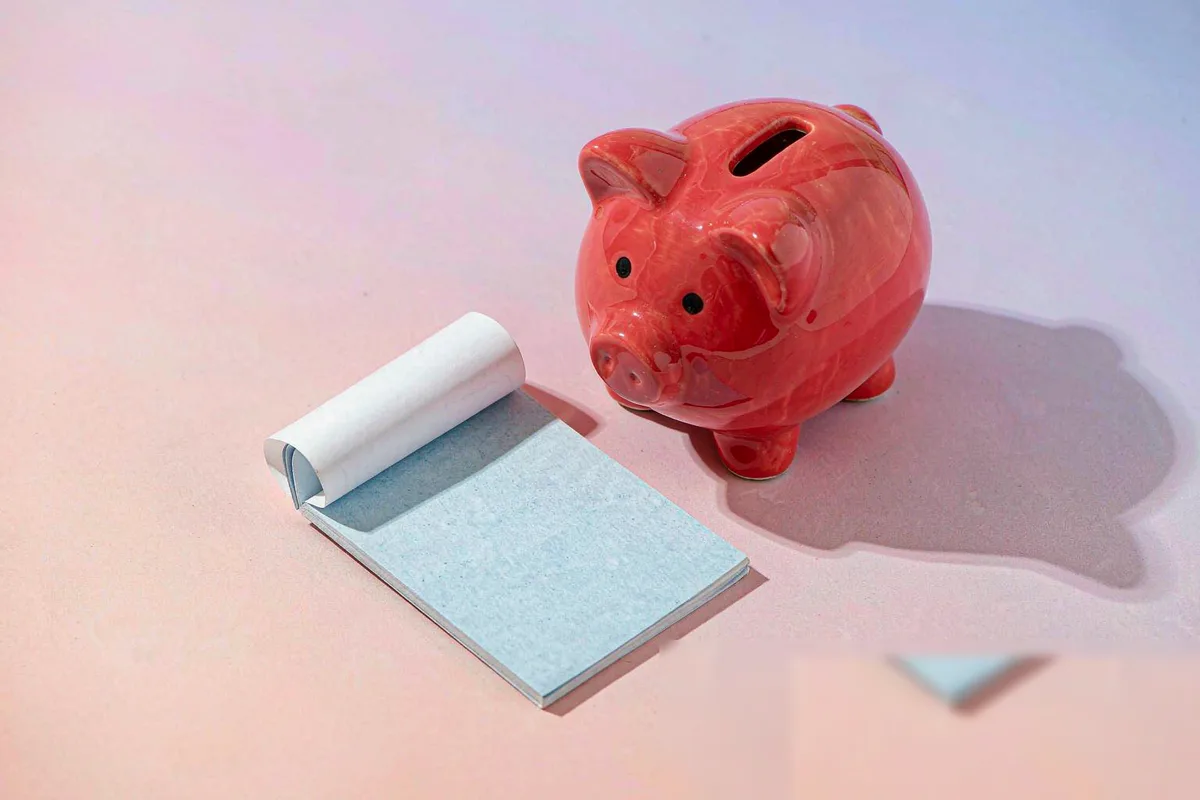
The average standard savings account paid roughly 0.4 percent last year, while the better online options sat near 4.5 percent. On a $10,000 balance...
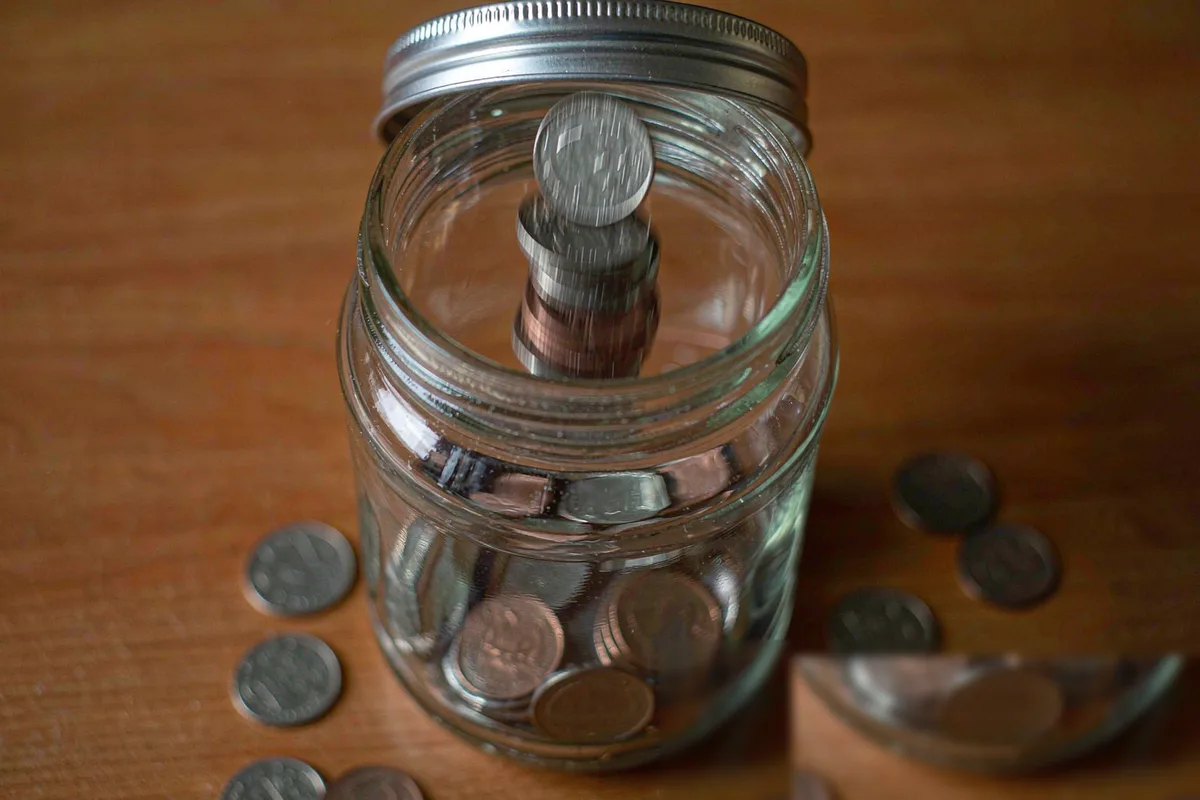
A stock paying a 3 percent dividend and reinvesting it rather than cashing the checks can turn a $5,000 stake into roughly $9,000 over twenty-five...
A five-year certificate recently paid roughly 4.25 percent while a top savings account sat near 4.5 percent, a gap so thin that the lockup period...